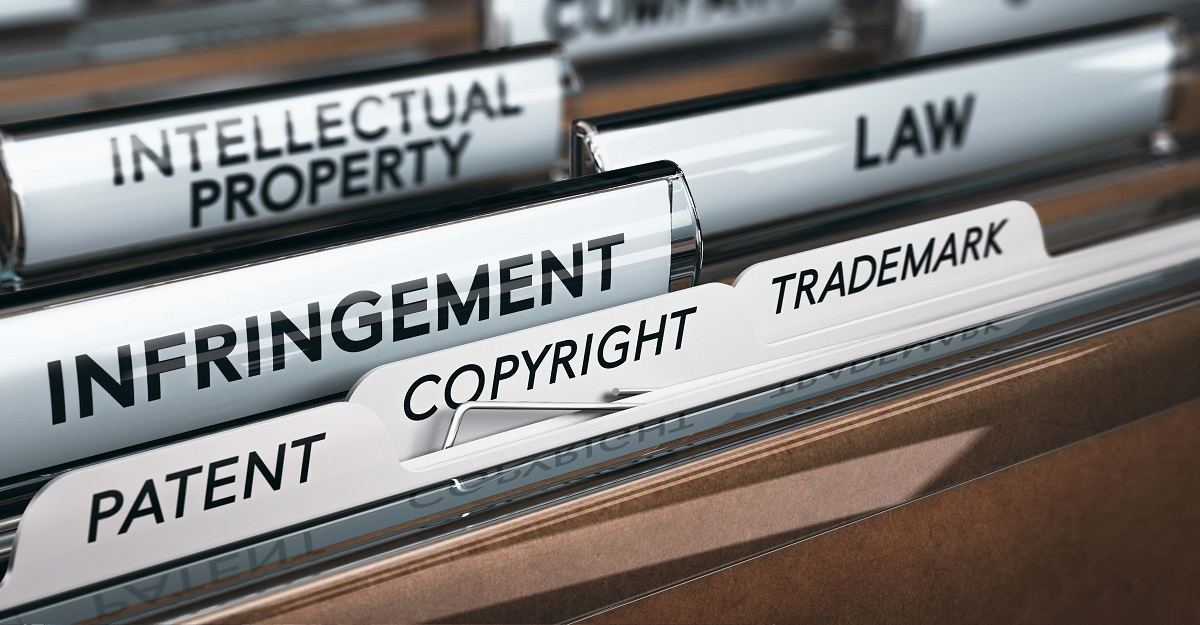
You don't have any patent rights unless you receive a patent, and if you don't apply for one quickly enough, you can miss out. The exclusive right to create, use, or sell the invention protected by the claims of a patent belongs to the patent owner. Patents can last for up to 20 years after filing, but they must be maintained or they will expire prematurely.
Plant patents, which cover the right to reproduce a plant, and design patents, which protect the attractive look of a product, are also available. When someone mentions a patent or says a product is “patented,” they are usually referring to utility patents, which protect inventions.
Symbols and identifiers are protected by trademarks. A trademark can be anything that identifies the source of a product or service to consumers. A trademark can be a name (Adidas) or a symbol (the Apple bite in Apple), but it can also be the shape of a product (Goldfish crackers) or its packaging (the Tetrapack bottle), or even a colour (Tiffany blue) or sound NBC chime.
You have trademark rights as soon as you use a specific mark to identify your goods or services, but it's always a good idea to register your trademark to ensure that your rights are fully protected.
If you keep using a trademark, it can last a lifetime, and some are hundreds of years old. However, trademark registrations in the United States must be renewed every ten years by demonstrating ongoing usage.
Trademarks only protect identifiers, not any functional or beneficial attribute, whether it is required or simply improves a product. You can't stop other coffee shops from calling their coffee, coffee, because trademarks don't protect generic names. To return to the chair one last time, the brand name you chose to advertise it under, as well as a logo stamp on the chair itself, would be trademarks.